
Meatloaf is one of the most enduring dishes in home cooking because it blends simplicity, comfort, and versatility into one satisfying meal. It is easy to prepare, budget-friendly, and adaptable to countless flavor profiles. Moreover, Meat Loaf continues to evolve with modern cooking trends, which keep it relevant for today’s food lovers. As a result, it remains both a nostalgic classic and a creative culinary option that appeals to families, professionals, and chefs alike.
The Historical Roots of Meat loaf Food
Meatloaf is a food with a history grounded in practicality rather than luxury. Early versions can be traced back to ancient Roman cuisine, where minced meat was combined with bread, herbs, and spices to create filling meals. Similarly, European households later adopted similar measures to reduce waste and make more efficient use of limited ingredients. Therefore, meatloaf emerged as a solution to scarcity rather than as a form of indulgence.
Order Online
In the United States, meatloaf became popular during the nineteenth century and reached iconic status during the Great Depression when families relied on affordable meals that could feed many people. Consequently, ground meat was mixed with fillers such as breadcrumbs or oats, and meat loaf became a symbol of resilience and home-style nourishment.
The Lasting Popularity of Meat loaf Food
Meatloaf remains popular because it adapts easily to changing tastes and lifestyles. It works equally well for weeknight dinners, meal prepping, and even restaurant menus. Moreover, it accommodates diverse dietary preferences through substitutions such as lean meats and plant-based alternatives. Additionally, meatloaf stores and reheats well, making it ideal for busy households. On the other hand, it also offers creative freedom, allowing cooks to experiment with seasonings, sauces, and fillings. In contrast to its old-fashioned image, Meat Loaf food can feel modern, bold, and refined when prepared thoughtfully.
Core Ingredients That Define Meat loaf Food
The success of Meat Loaf’s food depends on balance, as every ingredient contributes to texture and flavor. Ground beef is the traditional base because it provides richness; however, many cooks prefer blends that include pork for moisture or turkey for a lighter option. Therefore, combining meats often improves tenderness. Binders, such as eggs, hold the mixture together, while fillers, such as breadcrumbs or oats, absorb moisture and prevent dryness.
In addition, liquids such as milk or broth form a panade that softens the mixture. Aromatics like onions and garlic add depth, while salt enhances natural flavor, and sauces like Worcestershire or soy sauce add umami. As a result, the finished meatloaf tastes layered and satisfying.
The Science Behind Moist and Tender Meat loaf Food
Dry meatloaf is a common problem, but it can be easily avoided with proper techniques. Fat content plays a key role because very lean meat tends to dry out. Therefore, moderate fat ensures juiciness. Additionally, a well-prepared panade traps moisture during cooking, helping the meat remain tender. Temperature control is equally important, since overcooking forces moisture out of the meat fibers. Consequently, using a thermometer to monitor doneness improves consistency. Ultimately, understanding these scientific principles elevates Meat Loaf’s food from average to exceptional.
Traditional Cooking Methods for Meat loaf Food
Baking is the most widely used method for cooking meatloaf because the oven provides steady, even heat. This allows the loaf to cook thoroughly while developing a lightly caramelized exterior. Loaf pans help maintain shape and retain juices, while free-form loaves on baking sheets allow excess fat to drain away, creating a firmer texture. Both methods are effective depending on preference. However, resting the meatloaf after baking is essential, as slicing too soon can cause juices to escape and the meatloaf to crumble. Therefore, a short rest improves both texture and flavor.
Modern Cooking Techniques for Meat loaf Food
Modern cooking methods have expanded the ways meat loaf can be prepared. Slow cookers produce extremely tender results with minimal effort, while air fryers reduce cooking time and create crisp edges. As a result, Meat Loaf fits easily into contemporary lifestyles. Smoking meatloaf infuses it with deep, savory wood-smoke flavors, adding complexity and richness.
Likewise, sous vide cooking allows precise temperature control before finishing in the oven. These approaches show that Meat Loaf’s food thrives with innovation while still respecting tradition.
Global Variations of Meat loaf Food
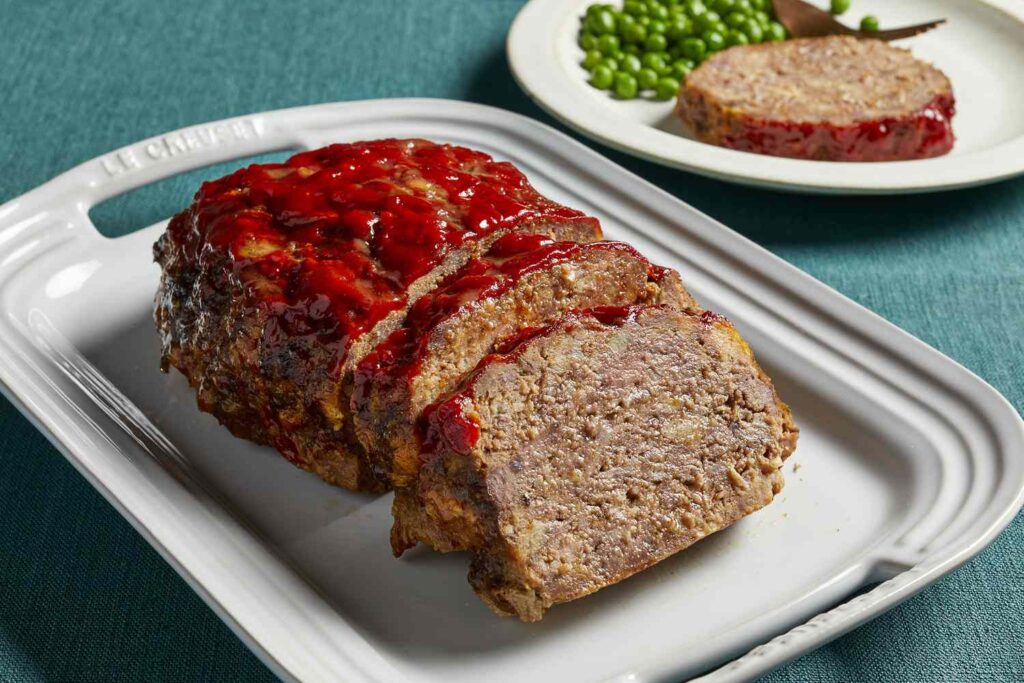
Meatloaf appears across many cultures, each adding distinctive flavors. The American classic relies on ground beef, breadcrumbs, and a ketchup glaze that delivers comfort and nostalgia. Italian-inspired versions include Parmesan cheese, herbs, and marinara sauce, creating a familiar yet elevated taste. Asian-influenced meatloaf incorporates soy sauce, ginger, and scallions, often paired with sweet-and-savory glazes.
Health-focused variations use turkey, lentils, or plant-based proteins. In contrast to traditional recipes, these options reduce fat while preserving structure, demonstrating the adaptability of meatloaf.
Nutritional Value of Meat Loaf Food
When prepared thoughtfully, meatloaf can be a nutritious meal. It provides high-quality protein that supports muscle health and sustained energy. Moreover, it contains essential minerals such as iron and zinc. In addition, incorporating vegetables like carrots, spinach, or bell peppers increases fiber and vitamin content without sacrificing flavor. However, portion size and ingredient choices matter because rich sauces and fatty meats add calories. Therefore, balance is essential for enjoying meatloaf as part of a healthy diet.
Common Mistakes That Affect Meatloaf Food Quality
Several mistakes can reduce the quality of the meat loaf. Overmixing compresses the meat and leads to a dense texture, so gentle mixing is crucial—under-seasoning results in bland flavor, underscoring the importance of proper seasoning at every stage. Uneven shaping causes inconsistent cooking, with dry edges and undercooked centers. Consequently, shaping evenly and monitoring internal temperature improve results. Skipping rest time also leads to moisture loss and crumbling, which affects presentation and taste.
Expert Tips for Perfect Meatloaf Food
Preparation is the foundation of excellent meat loaf. Measuring ingredients accurately ensures balance, while soaking fillers thoroughly improves tenderness. Evenly shaping the loaf promotes consistent cooking. Applying glaze midway through baking prevents burning and enhances flavor. Additionally, lining pans with parchment paper simplifies removal and improves presentation. These small details make a noticeable difference in the final dish.
Serving Ideas That Elevate Meat loaf Food
Meat loaf pairs well with classic sides such as mashed potatoes; however, roasted vegetables add balance and texture. Furthermore, fresh salads provide brightness and contrast. Leftovers are highly versatile, as meat loaf sandwiches are both popular and satisfying. Warm or cold slices work equally well; therefore, meat loaf supports efficient meal planning while remaining enjoyable.
Meat Loaf Food in Modern Culinary Culture
Meat loaf has regained popularity due to renewed interest in comfort food. Chefs now present it in creative ways, including mini loaves, premium ingredients, and gourmet sauces. Moreover, social media has reshaped its image through visually appealing presentations. As a result, Meat loaf food is no longer seen as outdated but instead as a timeless dish that continues to evolve.
The Enduring Appeal
Meat loaf food represents comfort, practicality, and creativity in equal measure. While food trends change quickly, meat loaf remains steady because it evolves without losing its essence. Ultimately, it satisfies nostalgic cravings while embracing modern flavors. Indeed, this balance explains why Meat Loaf remains a respected dish in kitchens around the world and will remain a beloved dish for generations to come.
Conclusion
Meat loaf remains a timeless dish because it successfully balances comfort, practicality, and creativity. It began as a resourceful solution for families and has grown into a versatile meal that adapts to modern tastes and cooking methods. Moreover, its flexibility allows cooks to experiment with ingredients, flavors, and techniques while still honoring tradition. As a result, Meat Loaf remains familiar yet exciting. Ultimately, Meat Loaf’s food proves that simple ingredients, when handled with care and understanding, can create a satisfying and meaningful dining experience that endures across generations.